
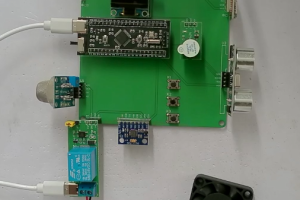

设计说明书
总字数:29000+
基于单片机的智能井盖设计与实现
摘要
城市地下管网设施规模持续扩大,井盖作为市政基础设施的重要组成部分,其安全管理问题日益突出。传统井盖管理依赖人工巡查与静态台账记录,存在巡检周期长、异常状态发现滞后、可燃气体积聚无法实时预警、井盖位移丢失难以及时追溯、井下水位异常难以及时发现等突出问题,极易引发井盖缺失导致的人员坠落伤亡、可燃气体积聚导致的燃爆事故以及城市内涝等次生灾害。本文提出一种基于 STM32F103C8T6 单片机与物联网云平台的智能井盖监测系统设计方案。系统集成可燃气浓度检测、井盖姿态位移感知、超声波水位监测、本地人机交互、NB-IoT 无线数据上云、自定义安全阈值、云端远程预警等核心功能。通过 MQ-4 可燃气传感器、MPU6050 六轴姿态传感器、HC-SR04 超声波传感器实时采集井下可燃气浓度、井盖倾斜位移状态、井下水尺高度数据,将采集参数与用户预设安全阈值自动比对;当可燃气浓度超标或井盖发生异常移动时,设备即时触发本地声光报警并同步推送手机端弹窗震动提醒;当井下水位超过警戒线时,系统自动向管理人员手机发送预警通知。系统搭载独立按键支持可燃气浓度阈值、水位警戒值等参数自定义调节,搭配 OLED 显示屏实时本地展示全部监测数据;同时通过 NB-IoT 窄带物联网通信模块将实时监测数据同步上传至云端平台,云端可永久存储历史监测记录,管理人员可通过手机移动端随时随地查看井盖状态与历史数据。本系统有效解决传统市政井盖人工巡检效率低、异常响应滞后、数据难以追溯的痛点,实现井盖状态全天候自动监测、异常实时报警、云端远程管理,大幅提升城市地下管网设施智能化管护水平,具备良好的市政应用价值与推广前景。
关键词:物联网;智能井盖;STM32 单片机;可燃气检测;姿态监测;NB-IoT通信
With the continuous expansion of urban underground pipeline network facilities, manhole covers, as an important component of municipal infrastructure, have increasingly prominent safety management issues. Traditional manhole cover management relies on manual inspection and static ledger recording, which has problems such as long inspection cycles, delayed detection of abnormal conditions, inability to provide real-time early warning of combustible gas accumulation, difficulty in timely tracing of manhole cover displacement and loss, and difficulty in timely detecting abnormal underground water levels. These issues can easily lead to casualties from falls due to missing manhole covers, explosion accidents caused by combustible gas accumulation, and secondary disasters such as urban waterlogging. This paper proposes a design scheme of an intelligent manhole cover monitoring system based on STM32F103C8T6 microcontroller and IoT cloud platform. The system integrates core functions including combustible gas concentration detection, manhole cover attitude displacement sensing, ultrasonic water level monitoring, local human-computer interaction, NB-IoT wireless data uploading, customizable safety thresholds, and cloud-based remote early warning. Through MQ-4 combustible gas sensor, MPU6050 six-axis attitude sensor, and HC-SR04 ultrasonic sensor, the system collects real-time data of underground combustible gas concentration, manhole cover tilt displacement status, and underwater scale height. The collected parameters are automatically compared with the safety thresholds preset by users. When the combustible gas concentration exceeds the standard or the manhole cover experiences abnormal movement, the device immediately triggers local audible and visual alarms and simultaneously pushes pop-up vibration alerts to mobile terminals. When the underground water level exceeds the warning line, the system automatically sends early warning notifications to managers’ mobile phones. Equipped with independent keys, the system supports custom adjustment of parameters such as combustible gas concentration threshold and water level warning value, and matches OLED display screen to locally display all monitoring data in real time. Meanwhile, through the NB-IoT narrowband Internet of Things communication module, real-time monitoring data are synchronously uploaded to the cloud platform. The cloud platform can permanently store historical monitoring records, and managers can view manhole cover status and historical data anytime and anywhere through mobile terminals. This system effectively solves the pain points of low efficiency of traditional municipal manhole cover manual inspection, untimely abnormal response, and difficult data traceability. It realizes all-weather automatic monitoring of manhole cover status, real-time abnormal alarming, and cloud-based remote management, greatly improves the intelligent management level of urban underground pipeline network facilities, and has excellent municipal application value and promotion prospects.
Keywords: Internet of Things; Intelligent Manhole Cover; STM32 Microcontroller; Combustible Gas Detection; Attitude Monitoring; NB-IoT Communication
目 录
购买后可查看具体内容!