

设计说明书
总字数:10000+
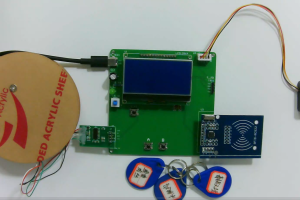
随着人们生活水平的提高,生活节奏加快,外出就餐已趋于经常化和理性化。快餐行业以其独特的实用性和高效性,深受顾客青睐。但在就餐高峰期,当前采用传统的人工点餐方式,点餐结算顾客还是排成了长龙,浪费了大量就餐人员的时间,且餐饮花费大量的人力物力。为了解决该问题,此次采用单片机一款基于RFID的餐饮自助结算系统,顾客选择好自己购买的物品后,放置在称重模块上,刷卡模块对该实物的标签进行识别,通过刷卡识别该物品的名称和单价,然后单价和测量的重量自动计算出顾客需要支付的费用,并进行语音报告,顾客根据语音播报支付消费费用即可。该设计不仅能提高顾客的就餐体验,更能实现餐厅的智能管理,降低人力成本。
关键词:餐饮;自助结算;RFID;单片机
With the improvement of people’s living standard and the quickening pace of life, eating out has tended to be routine and rational. Fast food industry is favored by customers for its unique practicability and high efficiency. However, in the peak period, the traditional manual ordering method is adopted at present, and the customers still line up in a long queue, which wastes a lot of time of the diners, and the catering costs a lot of manpower and material resources. In order to solve the problem, the use of a single chip microcomputer based on RFID catering self-service settlement system, customers choose their own purchases, placed on the weighing module, the card module to identify the label of the object, identify the name and unit price of the item by swiping the card, and then the unit price and measured weight automatically calculate the cost of the customer needs to pay. And voice report, customers according to the voice broadcast to pay for consumption. The design can not only improve the customer’s dining experience, but also realize the intelligent management of the restaurant and reduce the labor cost.
Key words:catering; Self-service settlement; RFID; Single chip microcomputer
目 录
摘 要
Abstract
1 绪论
1.1 研究背景及其研究意义
1.2 国内外研究现状
1.3 研究内容
2 系统方案设计
2.1 系统结构设计
2.2 主要模块方案选择
2.2.1 主控模块方案选择
2.2.2 显示模块方案选择
2.2.3 RFID 刷卡模块方案选择
3 硬件电路设计
3.1 主控模块电路设计
3.2 显示模块电路设计
3.3 RFID刷卡模块电路设计
3.4 语音输出模块电路设计
3.5 称重模块电路设计
3.6 按键模块电路设计
4 系统程序设计
4.1 编程软件介绍
4.2 系统主流程设计
4.3 独立按键子函数流程图
4.4 称重模块HX711模块子函数流程图
4.5 LCD12864显示模块子流程设计
4.6 语音播报子流程设计
5 仿真测试
5.1 整体仿真测试图
5.2 餐饮自助仿真测试
6 实物测试
5.1 整体实物测试图
5.2 餐饮自助实物测试
总结与展望
致 谢
参 考 文 献
附录A :原理图
附录B :PCB
附录C:主程序
购买后可查看具体内容!